$63.77
$86.09
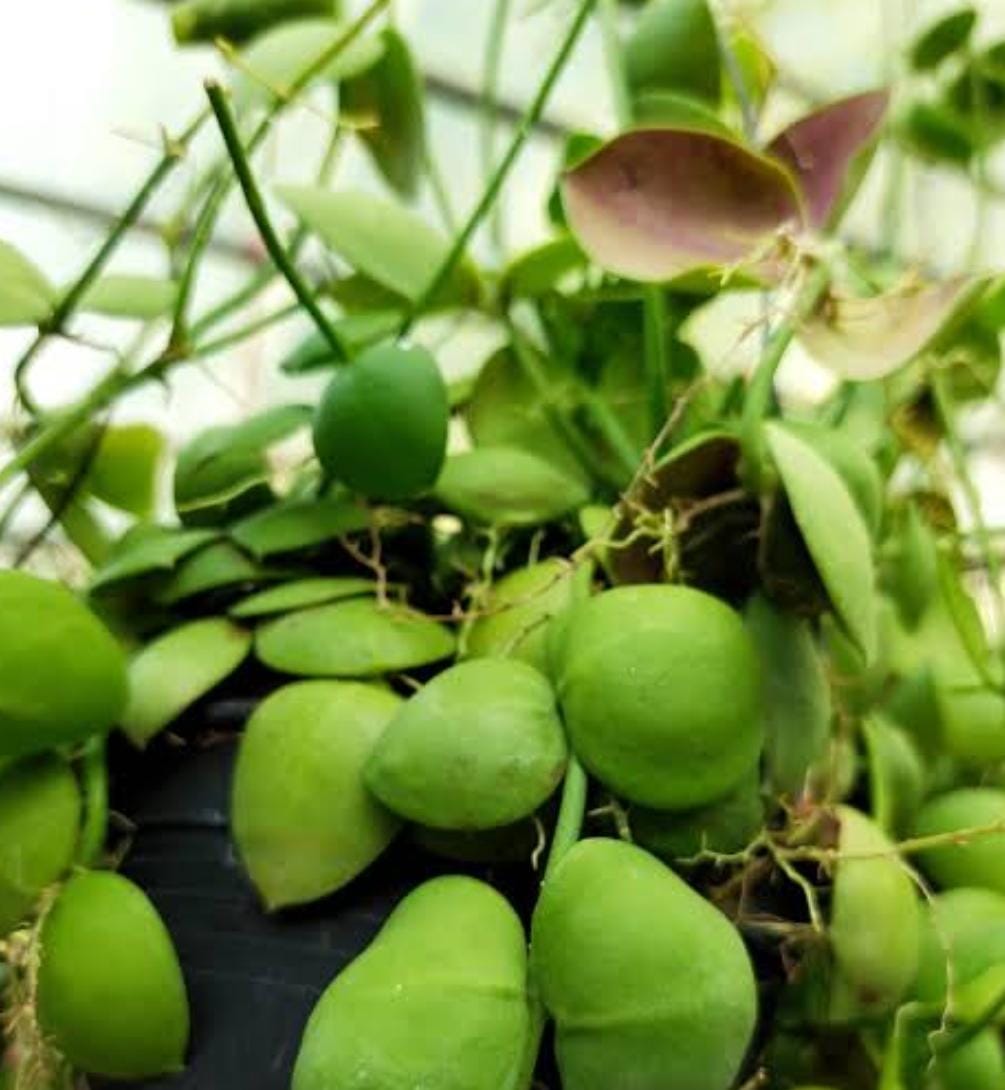
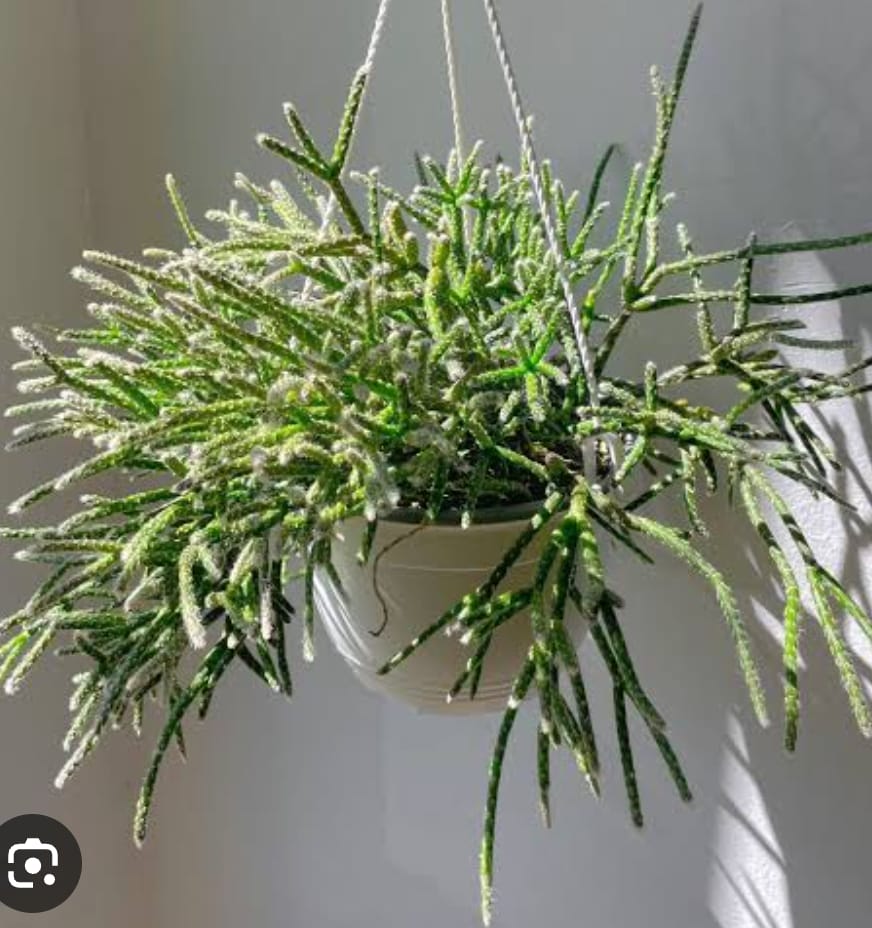
DescriptionIn India, we can sell this Dischidia Apple leaf/ Dischidia Singularis (on hangable natural dried husk) via online delivery systems to any states including Andhra Pradesh, Arunachal Pradesh, Assam, Bihar, Chhattisgarh, Goa, Gujarat, Haryana, Himachal Pradesh, Jammu & Kashmir, Jharkhand, Karnataka, Kerala, Madhya Pradesh, Maharashtra, Manipur, Meghalaya, Mizoram, Nagaland, Odisha (Orissa), Punjab, Rajasthan, Sikkim, Tamil Nadu, Telangana, Tripura, Uttar Pradesh, Uttarakhand, and West BengalDischidia singularis, commonly known as Dischidia ‘Apple Leaf’, is a rare and unique vining plant loved for its thick, apple-shaped leaves. It belongs to the Apocynaceae family, closely related to Hoyas, and is an epiphytic plant, meaning it naturally grows on trees, absorbing moisture and nutrients from the air.Characteristics:Growth Habit: A trailing or climbing epiphyte, perfect for hanging baskets or mounted displays.Leaves: Thick, round, apple-like green leaves with a slightly glossy texture.Flowers: Produces small, white, or pale green flowers that are delicate but not the main attraction.Unique Feature: Unlike most Dischidias, its leaves are more rounded and fleshy, making it a standout among vining plants.Growing Conditions:Light: Prefers bright, indirect light; can tolerate some filtered sunlight but avoid harsh, direct sun.Soil: Requires a well-draining mix, such as orchid bark, sphagnum moss, or aroids mix.Water: Water moderately—allow the top layer of soil to dry slightly before watering. Avoid overwatering, as it is prone to root rot.Humidity: Prefers high humidity (60% ), making it ideal for terrariums or tropical environments.Temperature: Thrives in 65–85°F (18–29°C); avoid exposure to temperatures below 50°F (10°C).Care & Maintenance:Fertilizing: Feed with a diluted balanced fertilizer (e.g., 10-10-10) once a month during the growing season.Pruning: Trim leggy vines to encourage bushier growth.Propagation: Easily propagated through stem cuttings, best rooted in sphagnum moss or water before transitioning to soil.Pests & Issues: Generally pest-resistant but watch for mealybugs and spider mites, especially in dry conditions.Uses in Home & Garden:Hanging Baskets: The trailing growth makes it perfect for cascading from hanging pots.Mounted Displays: Can be grown on driftwood or bark, mimicking its natural epiphytic habitat.Terrariums & Indoor Gardens: Ideal for humid environments where it can thrive.Companion Plants: Pairs well with Hoyas, Peperomias, and other trailing epiphytes.
Hanging Plants